This blog is a place to learn about electronic systems design, from PCB design to simulation and verification, to manufacturability and manufacturing execution.

Learn more about electronic systems design.
Featured posts

Latest posts

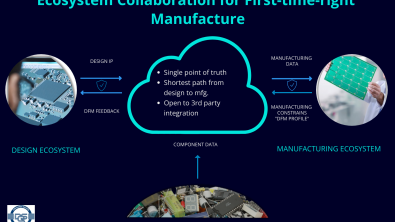
PCBflow Ecosystem Positioning

Electronics industry new trends and challenges.

Introducing New Content on PCBflow The electronics industry is constantly evolving, with new trends and challenges emerging every day. As…

Completed PCBs

Optimizing PCB DFM Guidelines

Typical DFM checklists assume the use of legacy DFM formats. In a world where much of our data transfer is becoming intelligent and seamless, why are we relying on designs from 60 years ago?

How to answer four common questions about power module stray inductance

How to answer four common questions about power module stray inductance

Stray inductance is the sum of all unwanted inductance elements from components, wires, copper planes, and traces in a current…

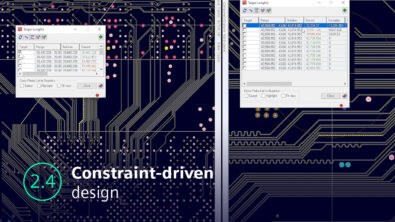
Screen shot of Xpedition software showing constrain-driven design

PCB design best practices: constraint-driven design

The next best practice within the engineering productivity and efficiency pillar is constraint-driven design. What is constraint-driven design? Constraint-driven design…

Illustration of a power module with text that says Six common questions about power module cooling

Six common questions about power module cooling

Power modules are essential components in power electronics, providing power conversion and power management. However, they generate a considerable amount…

Image of a PCB with text that says Analyze your PCB design with HyperLynx BoardSim in the PADS Professional Premium flow

Analyze your PCB design with HyperLynx BoardSim in the PADS Professional Premium flow

After a board has been routed in PADS Professional Premium Layout, you have a critical opportunity to analyze your design…

Making Parts Part of Manufacturing Driven Design

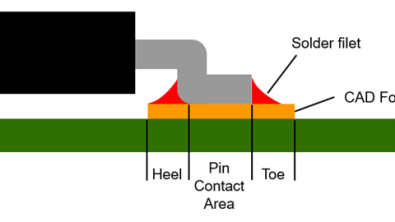
When it comes to PCB assembly level MDD, many designers have not concerned themselves with the component manufacturing Bill of Material (BOM). Designers work from a CAD library that has component libraries associated with internal part numbers (IPN) their company uses. The CAD Design Rule Checking software uses those CAD library shapes for its analysis and even, in some cases, the avoidance of where components are placed. There is nothing wrong conceptually with this mentality. However, like all things, the details matter.

Image that says Why you should attend User2User - North America

Why you should attend User2User – North America

This one-day Siemens EDA User Group Meeting at the Santa Clara Marriott on Thursday, April 13th is your opportunity to…

Image of design reuse using Xpedition

PCB design best practices: design reuse

The next best practice in this pillar that I’m going to dive deeper into is design reuse. I can tell…