This blog is a place to learn about electronic systems design, from PCB design to simulation and verification, to manufacturability and manufacturing execution.

Learn more about electronic systems design.
Featured posts

Latest posts

PCBflow Cloud DFM for PCBs

Unlocking Efficiency in PCB Design with the Online DFM Profile Builder and 3D Viewer

In the rapidly evolving landscape of electronics manufacturing, staying ahead of the curve requires embracing innovative tools and technologies. One…

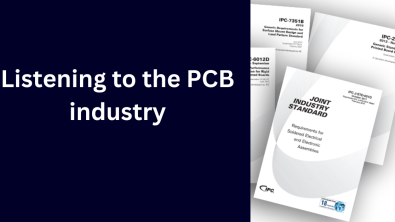
Practical Manufacturing Standards – Listening to the PCB industry

I love a good story.  Storytelling is the new, cool skill to list on your CV, but listening is possibly…

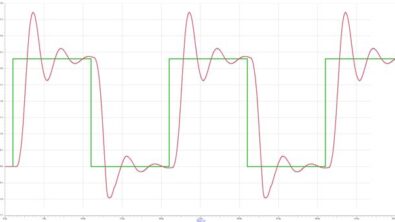
On the top we have a digital waveform we intent to transmit and on the bottom we have an actual waveform – which is an analog waveform representing the digital pattern.

Understanding signal integrity

Signal integrity is a critical aspect of electronic systems that ensures reliable and accurate signal transmission. In this blog, we…

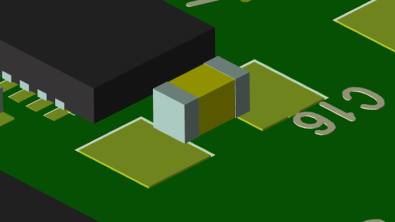
A poorly validated alternative part is placed on its toeprint

Are your alternative parts well validated before release

In alternate part selection, many aspects need to be considered: electrical function, physically fit, supply chain flexibility, cost, etc. Every aspect is important during alternative part selection, but realistically, electrical and physical fit are the main prerequisites when choosing a new alternative part. alternative parts well validated

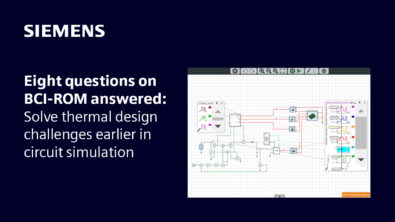
A screenshot of PartQuest Explore with text onscreen that says: Eight questions on BCI-ROM answered: solve thermal design challenges earlier in circuit simulation

Eight questions on BCI-ROM answered: solve thermal design challenges earlier in circuit simulation

We recently hosted a LinkedIn Live session: “Beat the heat: New technology to solve electronic design thermal challenges,” that focused…

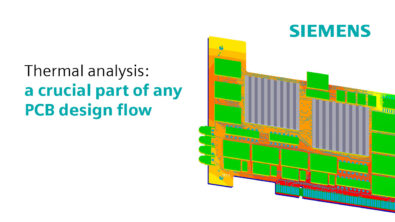
An image of a PCB under thermal analysis

Thermal analysis: a crucial part of any PCB design flow

Thermal analysis stands out as a pivotal tool for ensuring the reliability, performance, and longevity of electronic systems. Often overshadowed…

Adapt to Design – Design for manufacturing

Design for manufacturing, or DFM, is a crucial aspect of electronics manufacturing best practices. It emphasizes that each printed circuit…

PCB manufacturing image

What’s New in Valor NPI 2311

Each new Valor NPI release brings exciting features and improvements, and Valor NPI version 2311 is no different. One of the most prominent recent changes for release 2311 is the 3D board viewer. This allows users to toggle between the typical 2-D board view, and a 3-D board view. While less visually prominent, the addition of high-risk component detection is no less impactful among the overall improvements. The Valor Parts Library now associates individual components with a manufacturing risk value. This allows you to consider at-a-glance relative yield values based on component choices. Valor NPI version 2311 also facilitates the placement of XD components in a zigzag array.

Solder strength testing and validation

Strengthening PCB Solder Connections

To increasing the overall solder strength within a PCB design, designers should be focusing on two distinct but related factors: The material composition of the solder, and the pad and footprint layouts for individual components. The composition of the solder itself will depend upon the application of the board, the components, construction method and materials within the board, and the overall final board quality. The overall footprint of the component will be dependent upon the components within a BOM and the recommended assembly guidelines of your assemblers. Both of these factors rely on discussions and interactions with your assembly house and leaving these discussions until after the design has been released ultimately limits your assembly options.